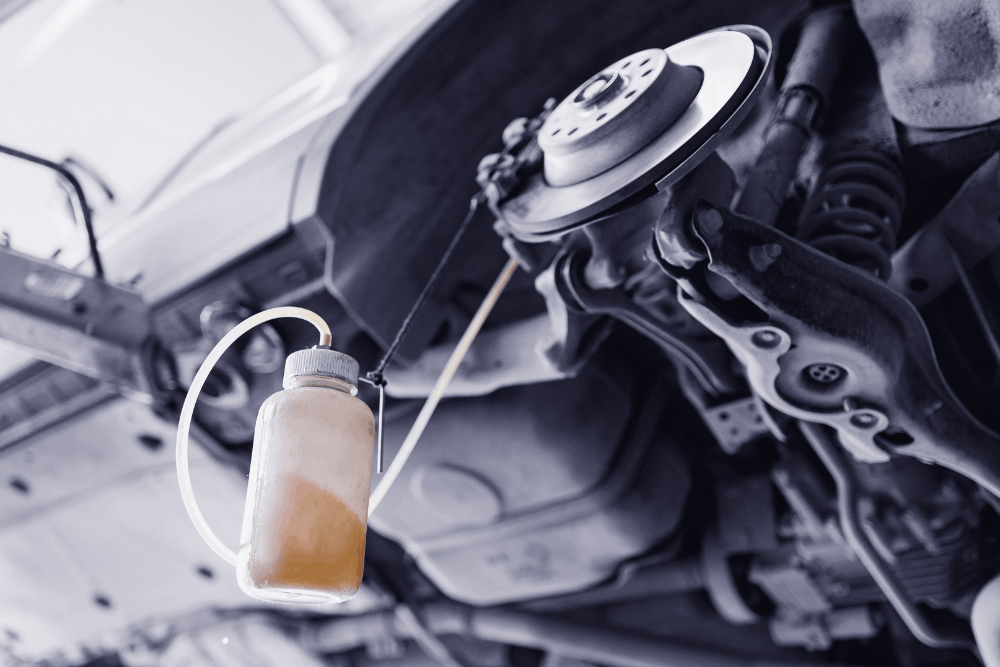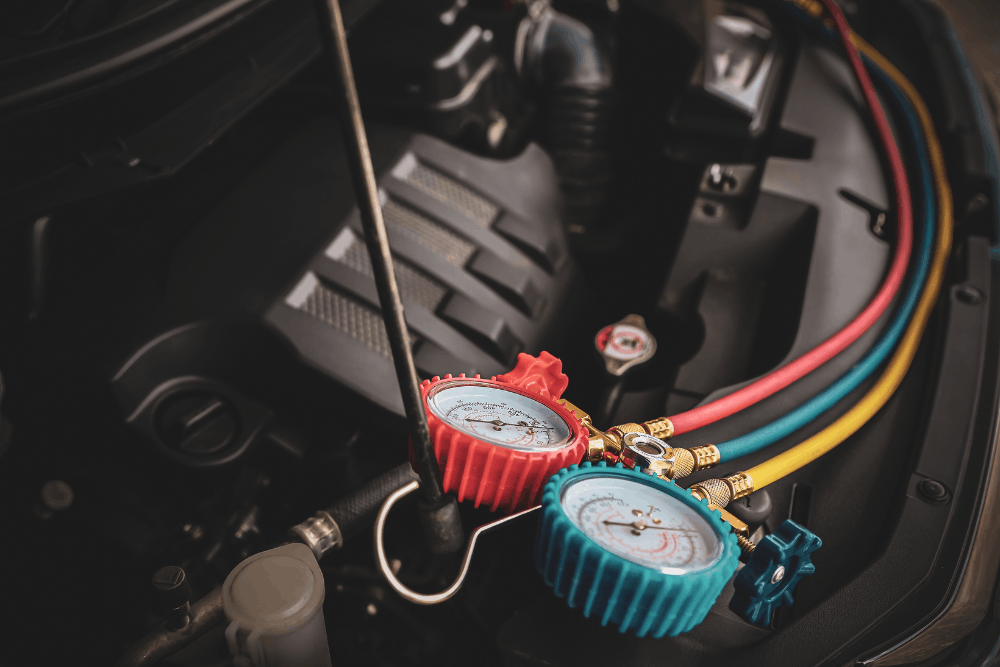
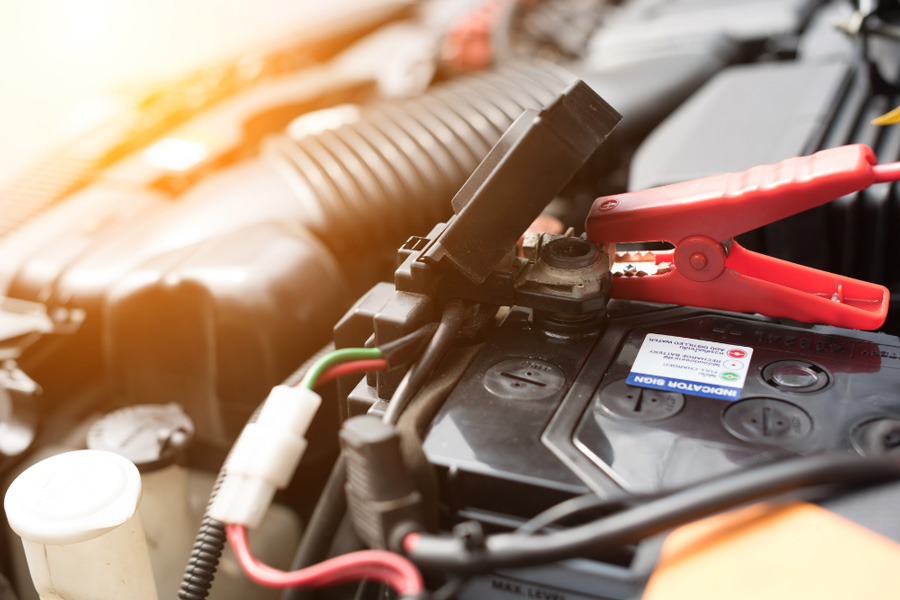
Cold starts, auto repair in Orange, CA by Chapman Auto Repair of Orange. Image of a car battery with jumper cables attached inside the engine bay, highlighting professional battery testing, charging, and reliable starting power for dependable vehicle performance.
Your car started fine all summer, but now it’s cranking slowly on cool Orange mornings. Welcome to Southern California’s version of winter starting problems. While we’re not dealing with snow and ice, those overnight temperature drops between 40-50°F create real challenges for batteries, oil viscosity, and fuel systems. Chapman Auto Repair of Orange sees this pattern every December when drivers near Chapman University and throughout Garden Grove suddenly face morning starting struggles.
Cold starts expose the weakest link in your vehicle’s system. In this guide, you’ll discover why short trips around Orange hurt your battery more than help it, learn to decode exactly what those clicking sounds and rough idles really mean, and understand the three-player electrical system that determines whether you’re driving to work or calling for help. We’ll walk through the hidden fuel and ignition factors most people overlook, share preventative maintenance strategies that work for California’s unique climate, and explain when it’s time for professional diagnostic testing.
The Science Behind Cold Morning Struggles
Southern California’s “winter” might not include snow, but those 40-50°F mornings create real challenges for your vehicle. Understanding what happens inside your engine during cold starts helps you recognize when something needs attention.
What Temperature Does to Engine Oil
Motor oil behaves like honey in your kitchen cabinet. Leave it in the cold, and it thickens. Even mild cooling causes oil to become less fluid, increasing resistance as your starter tries to rotate the engine. Modern synthetic oils handle this better than conventional oil, which is why many mechanics recommend them for year-round California driving.
Battery Chemistry and Cold Weather
Your battery produces electricity through chemical reactions. When temperatures drop, these reactions slow down naturally. A healthy, fully charged battery compensates without issue. An aging battery? That’s when you hear slow cranking or clicking sounds instead of your engine roaring to life.
Decode Your Car’s Morning Behavior
Your vehicle communicates problems through specific symptoms. Here’s what each sound and behavior actually means:
Slow, Labored Cranking
When you turn the key and hear that slow, grinding churn instead of a quick start, your battery or starter motor is struggling. This sluggish cranking typically points to low battery charge, corroded battery terminals, or a failing starter motor. You’ll often notice this symptom worsening over time—what starts as a slightly slower crank in the morning can eventually leave you stranded with a vehicle that won’t start at all.
Rapid Clicking Without Starting
Your battery lacks sufficient power to engage the starter solenoid. This typically means a dead or extremely weak battery needs immediate attention. Multiple rapid clicks indicate your battery has some charge but not enough to turn the starter motor.
Extended Cranking Before Catching
When your engine eventually starts but requires several seconds of cranking, you might have fuel delivery issues, weak spark plugs, or low compression becoming more apparent in cooler temperatures. This extended cranking puts additional strain on your battery and starter components.
Rough Idle After Starting
The engine catches but runs roughly for the first minute. This often indicates fuel system problems, dirty throttle body components, or ignition system weaknesses. Pay attention to whether the rough idle smooths out once the engine warms up, as this helps technicians diagnose the root cause.
Dashboard Warning Lights
Battery, check engine, or electrical system warnings during or after cold starts mean your vehicle’s computer has detected specific problems requiring diagnostic attention. Never ignore these warnings, as they indicate issues that could leave you stranded without proper repairs.
Why Orange’s Short Commutes Drain Your Battery
Here’s something most Orange drivers don’t realize: short trips are harder on your vehicle than long highway drives. Living close to work, school, or shopping sounds convenient, but it creates a unique set of problems.
Your alternator needs time to recharge your battery after starting. That initial engine crank draws significant power. If you’re only driving 5-10 minutes to Chapman University or making quick runs to nearby stores, your alternator never fully replenishes what the starter used.
Over weeks and months, this creates a slow battery drain. You won’t notice it during warm weather because your battery has reserve capacity. Come those first chilly December mornings? Your weakened battery suddenly can’t deliver the extra power cold starting demands.
The Fix: Take your car for a 20-30 minute drive once weekly. Highway speeds work best because your alternator charges most efficiently at higher RPMs. Think of it as exercise for your electrical system.
Your Electrical System’s Three Key Players
Three major components work together every time you turn your key. When one fails, cold starts to become difficult or impossible.
- Starter Motor: This powerful electric motor physically rotates your engine until combustion takes over, drawing hundreds of amps in just seconds. Worn brushes, damaged solenoids, or internal electrical problems reduce its performance over time.
- Alternator: While your engine runs, the alternator powers all electrical accessories and recharges your battery. A failing alternator won’t restore a full charge between trips, gradually weakening your battery until morning starts become impossible.
- Battery: Your battery must store enough energy to crank your engine while also powering fuel pumps, computer systems, and ignition components during starting. In California’s mild climate, batteries typically last 3-5 years before replacement becomes necessary.
Fuel and Ignition: The Forgotten Starting Factors
Most people blame batteries for cold start problems, but fuel delivery and spark generation matter just as much.
Fuel System Components:
- The fuel pump must pressurize the system quickly
- Injectors spray precise amounts at exact timing
- Fuel filters can restrict flow when contaminated
- Pressure regulators maintain consistent delivery
Ignition System Elements:
- Spark plugs must fire consistently across the gap
- Ignition coils generate the high voltage needed
- Plug wires or coil boots can crack with age
- Timing sensors tell the computer when to fire
Modern vehicles adjust fuel delivery based on temperature sensors. If these sensors fail or provide inaccurate readings, your engine computer delivers the wrong fuel amount for cold conditions.
Smart Maintenance for Orange County’s Mild Winter Climate
The most effective approach to cold start problems is prevention. Regular maintenance addresses potential issues before they cause starting failures.
- Annual Battery Service: Have your battery tested, especially if it’s more than three years old. Professional battery testing measures cold cranking amps and voltage to determine actual battery condition, not just current functionality.
- Proper Oil Changes: Use manufacturer-recommended oil weights and change intervals. Synthetic oils provide better cold-weather flow and protection for your engine’s internal components.
- Electrical System Inspection: Annual checks of your starter, alternator, and wiring prevent unexpected failures. Testing charging system output and starter current draw identifies problems early. Our comprehensive electrical repair services catch issues before they become expensive emergencies.
- Fuel System Maintenance: Replace fuel filters according to your maintenance schedule. Address fuel pump problems promptly, and clean injectors to ensure proper fuel delivery during cold starts.
- Spark Plug Replacement: Worn spark plugs make cold starting difficult. Follow recommended replacement intervals for your specific vehicle make and model. Fresh spark plugs ensure reliable ignition when your engine needs it most.
- Complete Vehicle Diagnostics: Schedule annual diagnostic testing to catch developing problems. Our advanced diagnostic equipment identifies issues your vehicle’s computer detects but haven’t yet caused noticeable symptoms.
Professional Diagnostics Make the Difference
When you’re experiencing cold start issues, an accurate diagnosis saves time and money. At Chapman Auto Repair of Orange, our ASE-certified technicians use advanced diagnostic equipment to identify exact problems rather than guessing at solutions.
Ready to solve your cold start problems? Visit us at 807 W Chapman Ave, Orange, CA 92868, or call 714-633-1800 to schedule your diagnostic appointment. We specialize in Toyota, Honda, BMW, Mercedes, Chevrolet, Nissan, and all vehicle types.
Why Orange Drivers Choose Chapman Auto Repair
When cold start problems threaten your daily routine, you need a shop that combines technical expertise with honest service:
- ASE-certified technicians with extensive diagnostic training
- Hunter alignment equipment and professional-grade tools
- Lifetime warranty on qualifying repairs
- Flexible financing through Affirm and Sunbit Easy Pay
- Digital vehicle inspections through Tekmetric
- Convenient location near Chapman University and Disneyland
- Experience with domestic, Asian, European, hybrid, and electric vehicles
We serve drivers throughout Orange, Garden Grove, and surrounding communities with the same commitment to quality that earned us Best of Orange recognition.
FAQs About Cold Start Problems in Southern California
Why is my car hard to start on cold mornings?
Cold mornings make your car hard to start because lower temperatures thicken engine oil and reduce battery cranking power, forcing your starter motor to work harder. Weak batteries, worn starters, or fuel system problems become more apparent in cooler weather.
Can cold weather affect engine oil in California?
Yes, even mild California winters affect engine oil by increasing its viscosity and making it flow less freely through your engine. This creates more resistance when starting, especially if you’re using conventional oil or haven’t changed your oil recently.
How do I know if my battery is too weak to start?
A weak battery causes slow cranking, clicking sounds when turning the key, dimming dashboard lights during starting attempts, or complete failure to crank. Professional battery testing measures cold cranking amps and voltage to determine actual battery condition.
Should I warm up my car before driving?
Modern vehicles don’t require extended warm-up periods, but allowing 30-60 seconds of idle time before driving helps oil circulate through the engine. Avoid high RPMs until your engine reaches normal operating temperature for best performance and longevity.
What is the best battery for short trips in mild climates?
The best battery for short trips in California is a high-quality AGM battery with sufficient cold cranking amps for your vehicle, as short trips don’t fully recharge batteries, and AGM batteries handle partial charge cycles better than conventional batteries.
Get Reliable Cold Start Solutions in Orange Today
Don’t wait until your car won’t start at all. Address cold start problems now with professional diagnostics and expert repairs from Chapman Auto Repair of Orange. Our friendly team welcomes customers from Orange, Garden Grove, and throughout Orange County.
Visit us at 807 W Chapman Ave, Orange, CA 92868, or call 714-633-1800 to schedule your appointment. We’ll identify exactly what’s causing your cold start issues and provide honest, accurate solutions backed by our lifetime warranty.