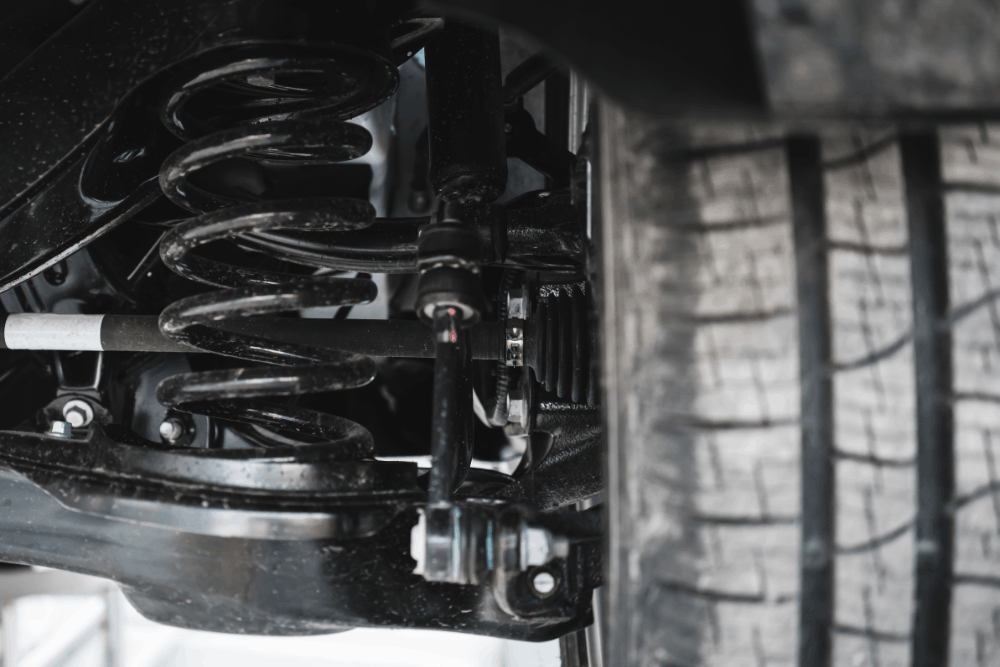
Your steering and suspension systems work together every time you get behind the wheel, even if you never think about them. At Chapman Auto Repair of Orange, we see these issues every day, and we want you to know what to watch for. The steering system lets you point your vehicle where you want to go, while the suspension absorbs bumps, keeps your tires planted on the road, and provides a smooth, controlled ride. When either system starts to wear down, you’ll notice it fast. Loose steering, a bumpy ride, uneven tire wear, and pulling to one side are all signs that something needs attention.
We help Orange, CA drivers understand how these two systems connect and what happens when parts fail, so you can catch small problems before they become expensive, unsafe situations.
How Your Steering and Suspension Systems Work Together
Think of steering and suspension as two teammates that depend on each other. Your suspension absorbs road impacts and supports the vehicle’s weight. Your steering translates your input into actual wheel movement. They share several connection points, so a problem in one almost always affects the other.
- Ball joints act as pivot points that let your wheels move up and down with the suspension while also turning left and right with the steering.
- Tie rod ends connect the steering rack to the steering knuckle, which is also a key part of the suspension assembly.
- When a suspension component wears out, it doesn’t just affect ride comfort. It can throw off your alignment, cause pulling, or create steering wheel vibration.
That’s why technicians often inspect both systems at the same time.
Warning Signs Orange, CA Drivers Should Never Ignore
Worn steering and suspension components don’t usually fail all at once. They give you clues along the way. Knowing what to watch for can save you money and keep you safe on roads around Orange, Tustin, and Garden Grove.
Steering Symptoms
- Loose or wandering steering: If the steering wheel feels sloppy, or you have to constantly correct to keep driving straight, worn tie rod ends or a failing steering rack could be the cause.
- Vibration in the steering wheel: A shaking wheel, especially at highway speeds, often points to worn ball joints, unbalanced tires, or warped brake rotors.
- Difficulty turning: Stiff or heavy steering can result from low power steering fluid, a failing power steering pump, or problems with the steering gear itself.
- Clunking or popping when turning: These noises often come from worn CV joints, ball joints, or tie rod ends that have too much play.
Suspension Symptoms
- Excessive bouncing: If your vehicle keeps bouncing after hitting a bump, your shocks or struts are likely worn out and can’t dampen the spring movement properly.
- Nose diving when braking: When the front of your vehicle dips sharply during a stop, your front struts or shocks are struggling to control weight transfer.
- Uneven tire wear: Bald spots on one side of a tire, or wear on the inner or outer edges, often point to suspension misalignment or worn control arm bushings.
- Vehicle pulling to one side: This can stem from a failed spring, a bent control arm, or a suspension alignment issue that’s changed your wheel angles.
- A rough, jarring ride: If every bump and crack in the road rattles through the cabin, the suspension isn’t absorbing impacts like it should.
If you’ve noticed any of these warning signs, it’s worth having your steering and suspension inspected sooner rather than later. Stop by 807 W Chapman Ave, Orange, CA 92868, or call 714-633-1800 to schedule an inspection and get peace of mind on your daily drives around Orange County.
Key Components and What They Do
It helps to know what you’re dealing with under your vehicle. Here’s a breakdown of the major steering and suspension parts and the roles they play.
Suspension Components
Your suspension system is made up of several parts that work together to keep your ride smooth and your tires on the road. Here’s what each one does:
- Springs are the foundation. Whether your vehicle uses coil springs or leaf springs, they support the vehicle’s weight and absorb major impacts.
- Shock absorbers work alongside the springs to control how quickly they compress and rebound. Without shocks, your vehicle would bounce endlessly after every bump.
- Struts combine a shock absorber and coil spring into a single unit. They’re common on most modern cars and play a structural role in the suspension, which means a worn strut can affect steering alignment too.
- Control arms connect the wheel assembly to the vehicle’s frame and allow vertical movement over bumps. At the ends of those control arms, you’ll find bushings and ball joints, both of which wear over time and can create clunking noises or sloppy handling.
- Sway bars (also called stabilizer bars) reduce body roll when you take turns. If your vehicle feels like it’s leaning too much in corners, worn sway bar links or bushings could be the issue.
Steering Components
Your steering system is what translates your input at the wheel into actual direction changes on the road. Here are the key parts involved:
- Rack and pinion is the heart of most modern steering systems. When you turn the steering wheel, a pinion gear rotates against a flat rack, pushing the tie rods left or right to turn the front wheels.
- Tie rod ends are the connection points between the steering rack and the steering knuckle, and they wear down with regular driving.
- Ball joints serve double duty, allowing the steering knuckle to pivot while also supporting the suspension’s up-and-down motion.
- Power steering, whether hydraulic or electric, makes turning easier. Hydraulic systems use fluid and a pump, while electric power steering (EPS) uses a motor. Both systems can develop problems over time, from fluid leaks in hydraulic setups to sensor issues in electric ones.
How Worn Components Affect Tire Wear and Safety
Ignoring steering and suspension problems doesn’t just make for an uncomfortable ride. It directly impacts your safety and costs you money through premature tire wear.
When suspension components wear unevenly or become damaged, your wheels lose their proper alignment angles. Camber, caster, and toe are the three alignment measurements that keep your tires meeting the road at the correct angle. Even a small change in these angles can cause a tire to scrub against the pavement at a slight angle, wearing down one edge much faster than the other.
- Worn ball joints or tie rod ends can cause your toe angle to shift, leading to feathered or scalloped tire wear.
- Collapsed springs change your camber angle, causing excessive wear on the inner or outer edge of the tire.
- Damaged control arm bushings allow the wheel assembly to shift under braking and acceleration, creating inconsistent tire contact with the road.
When to Have Your Steering and Suspension Inspected
Most manufacturers recommend a suspension inspection every 12,000 to 15,000 miles, or at least once a year. However, driving conditions in Southern California, including uneven road surfaces, speed bumps, and freeway driving, can accelerate wear on these parts.
You should also have an inspection after any of these events:
- Hitting a large pothole or curb
- Being involved in a collision, even a minor one
- Noticing any of the warning signs listed above
- Before a long road trip
- Whenever you replace tires (a great time to check alignment too)
A thorough inspection typically covers the shocks, struts, springs, control arms, ball joints, tie rods, sway bar links, bushings, and steering rack. Technicians will also check your wheel alignment angles to make sure everything is within factory specifications. If your vehicle uses a Hunter alignment system, the technician can get precise readings on all four wheels to ensure your steering and suspension geometry is exactly where it should be.
Why Orange, CA Drivers Need an Alignment After Suspension Work
Anytime you replace a steering or suspension component, a wheel alignment should follow. Parts like tie rod ends, ball joints, control arms, and struts all affect your wheel angles. Even if the new part is identical to the old one, the act of disconnecting and reconnecting these components can shift the alignment.
- An alignment corrects your camber (tilt of the wheel in or out), caster (angle of the steering pivot), and toe (whether the front edges of the tires point in or out).
- Proper alignment extends tire life, improves fuel efficiency, and restores predictable steering and handling.
- Skipping the alignment after a repair can undo the benefits of the new parts and lead to accelerated tire wear.
For drivers in Orange County who rely on their vehicles for commuting, school runs, and weekend trips, keeping your alignment in check is one of the most cost-effective maintenance steps you can take.
Choose Chapman Auto Repair of Orange for Your Steering and Suspension Needs
Chapman Auto Repair of Orange has been serving the Orange, CA community since 2005, giving local drivers a shop they can actually trust. We’re family-friendly, woman-friendly, and honest.
Transparency You Can See
We perform Digital Vehicle Inspections and send photos and videos straight to your phone. No guessing games, no pressure. You see what we see.
Our ASE-certified technicians handle steering and suspension repair on domestic, European, Asian, hybrid, and EV vehicles. We use a Hunter alignment machine for precise four-wheel alignments every time.
Your Repair, Protected
We back qualifying repairs with a lifetime warranty. Need help with costs? We offer flexible financing through Affirm, Sunbit, and Easy Pay.
Rooted in Orange, CA
Voted Best of Orange, we’ve spent two decades taking care of local families, college students up the road, and commuters across the county. Book an appointment and see the difference.
Keeping Your Vehicle Safe Starts With Your Steering and Suspension
Your steering and suspension systems are the foundation of how your vehicle rides, handles, and stops. When these components wear down, the effects show up in your tires, your fuel economy, and most importantly, your safety. Regular inspections, prompt repairs when warning signs appear, and proper alignment after any suspension work will keep you in control on every road in Orange County.
FAQs About Steering and Suspension
How are steering and suspension connected?
The steering and suspension systems share several connection points, including ball joints, tie rod ends, and the steering knuckle. These shared components mean that a problem in one system often causes symptoms in the other, making it important to inspect both together.
Why does my steering feel loose?
Loose steering is usually caused by worn tie rod ends, a failing steering rack, or worn ball joints that allow excessive play in the system. A professional inspection can pinpoint the exact component and restore precise control.
Can bad suspension cause steering pull?
Yes. A worn or broken spring, damaged control arm, or failed bushing can shift your wheel alignment, causing the vehicle to pull to one side. Replacing the failed part and performing an alignment corrects the issue.
What happens if shocks wear out?
Worn shocks can’t control spring movement, leading to excessive bouncing, longer braking distances, and accelerated tire wear. Replacing them restores ride comfort and improves safety.
How often should I inspect the suspension system?
Most manufacturers suggest a suspension inspection every 12,000 to 15,000 miles or once a year. You should also have it checked after hitting a major pothole or noticing any handling changes.
Schedule Your Steering and Suspension Repair at Chapman Auto Repair of Orange Today
Ready to restore your vehicle’s ride quality and handling? Schedule your steering and suspension repair today with our trusted team. Visit us at Chapman Auto Repair of Orange, 807 W Chapman Ave, Orange, CA 92868, or call us at 714-633-1800 to book your appointment. We look forward to helping you stay safe on the road.